
For the discerning traveler, the allure of the Imperial City extends far beyond the misty iconic peaks of Machu Picchu or the stone-walled luxury of five-star boutique hotels. While the ancient citadel is the crown jewel of the Andes, the true intellectual and artistic heartbeat of the region is found elsewhere. To truly grasp the sophistication of the Tahuantinsuyo and the complex, gilded layers of the Colonial era, one must indulge in a curated exploration of the museums in Cusco.
These institutions are not merely rainy-day alternatives or obligatory stops; they are the custodians of a millennia-old narrative. They hold the keys to understanding the intricate tapestry of Andean cosmology, the brutal elegance of the Conquest, and the vibrant resilience of modern Peruvian identity. For the traveler who seeks depth, provenance, and historical context, a private tour through the museums in Cusco offers an intimate dialogue with the past that stone ruins alone cannot provide.
In this detailed dossier, we curate the essential cultural circuit for the elite visitor, transforming a standard itinerary into a profound journey through time.
The Art of Acclimatization: A Cultural Prelude
Upon landing in the high-altitude air of the Andes, physical exertion is best delayed. However, for the active mind, idleness is rarely an option. This physiological reality presents the perfect opportunity to engage with the city’s intellectual heritage. Visiting museums in Cusco serves as the ideal acclimatization strategy.
Rather than ascending breathless peaks immediately, the sophisticated approach involves a slow, deliberate immersion into the city’s archives. Walking the quiet, cedar-scented halls of a colonial mansion turned museum allows the body to adjust to the 11,000-foot elevation while the mind expands. It is a moment to trade physical strain for visual splendor, preparing one’s intellect for the archaeological sites to come. To view the stones of Sacsayhuamán without understanding the social hierarchy that placed them is to see only the surface; the museums in Cusco provide the necessary depth.
The Curated Collection: Five Pillars of Andean History
While the city teems with small galleries, five specific institutions stand out for their narrative power and historical significance. A comprehensive tour of these museums in Cusco offers a 360-degree view of the region’s evolution.
1. The Inca Museum: The Palace of the Admiral
If your schedule permits only a single deep dive into local history, the Museo Inka—often referred to as the Archaeological Museum of the National University of San Antonio Abad—is the premier choice among museums in Cusco.
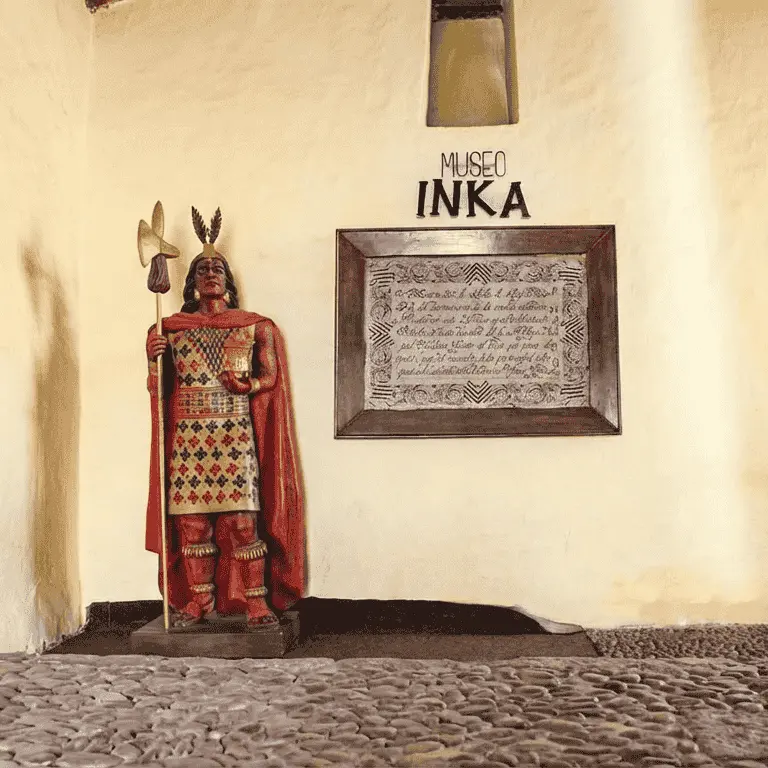
The Architecture: The experience begins before you view a single artifact. The museum is housed in the Casa del Almirante (Admiral’s House), a stunning exemplar of 17th-century colonial baroque architecture. Built upon quintessential Inca foundations, the residence belonged to Admiral Francisco Aldrete y Maldonado. The façade boasts a plateresque coat of arms, and the interior courtyard, with its grand staircase and coffered ceilings, transports the visitor to the height of the Viceroyalty.
The Collection: Unlike other museums in Cusco, the Museo Inka offers a linear, comprehensive timeline.
- Pre-Inca Foundations: It acknowledges that the Incas stood on the shoulders of giants, showcasing ceramics and tools from the Marcavalle and Chanapata cultures.
- The Imperial Zenith: The halls dedicated to the Inca period are unrivaled. Here, one finds models of agricultural terracing (andenes) and hydraulic engineering that explain how the empire fed millions. The collection of Keros—ceremonial wooden drinking vessels with polychrome iconography—is the finest in the world.
- The Royal Dead: The “Hall of Mummies” offers a respectful, solemn look at Inca funerary rites. The exhibition of cranial deformation and trepanation (brain surgery) highlights the elite status and medical prowess of the ancient nobility.
2. The Regional Historical Museum: The Legacy of Garcilaso
For the traveler interested in literature and the complex fusion of worlds, the Regional Historical Museum is the most poignant of the museums in Cusco. This venue is the ancestral home of the Inca Garcilaso de la Vega, the son of a Spanish conquistador and an Inca princess.
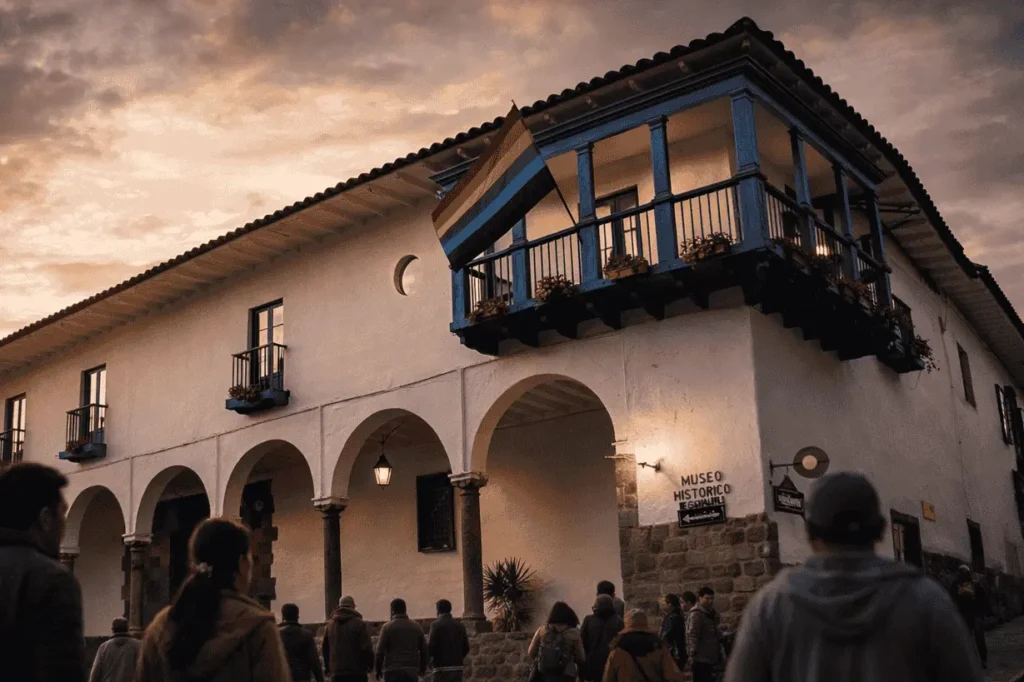
A House of Two Worlds: Garcilaso was the first biological and intellectual bridge between the Old and New Worlds. His chronicles, the Royal Commentaries of the Incas, remain the primary source for much of what we know about the empire. Walking through the arches of his childhood home evokes the tension and beauty of the mestizo identity.
Treasures Within: Among the museums in Cusco, this location excels in showcasing the artistic syncretism of the colonial period.
- The Cusco School: The museum houses an exquisite collection of paintings from the Escuela Cusqueña. Observe the “Last Supper” featuring a guinea pig (cuy) on the platter, or the Virgin Mary depicted with the triangular silhouette of a mountain (Apu). This visual language allowed indigenous artists to covertly maintain their beliefs under Spanish rule.
- Revolutionary History: A dedicated wing honors Tupac Amaru II, the indigenous leader who led the great rebellion against the Spanish Crown. Original documents and portraits offer a glimpse into the spirit of independence that permeates the city.
3. The Qoricancha Site Museum: Beneath the Golden Garden
The Qoricancha (Temple of the Sun) is the spiritual axis of the Inca world. While the convent built atop it is magnificent, the underground site museum offers a scientific counterpoint that is essential to the circuit of museums in Cusco.
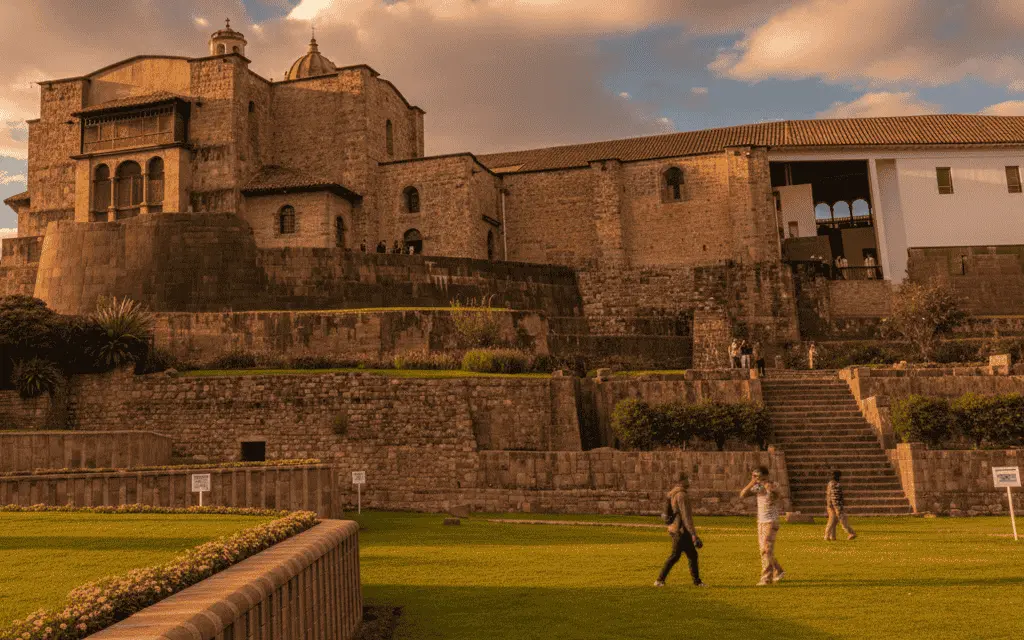
The Subterranean Narrative: Located beneath the gardens that once gleamed with life-sized gold sculptures of corn and llamas, this museum focuses on the specific sanctity of the site. It is smaller and more focused than other museums in Cusco, providing a forensic look at the temple’s operations.
Key Exhibits:
- Lithic Perfection: Displays analyze the composition of the stones and the hematite tools used to achieve the mirror-like polish of the Inca walls—masonry so precise a blade of grass cannot fit between the joints.
- Sacred Offerings: The museum holds recovered votive offerings, including Spondylus shells imported from the warm waters of Ecuador. These shells were considered more valuable than gold, representing fertility and rain, a nuance often missed by casual observers.
- The Solar Context: Interpretive panels decode the astronomical alignments of the temple, explaining how the Qoricancha functioned as a calendar and the center of the Ceque system (ritual lines radiating across the empire).
4. The Museum of Popular Art: The Collector’s Eye
Luxury is often defined by craftsmanship and authenticity. For the collector of folk art and the admirer of handmade excellence, the Museum of Popular Art is a hidden gem among museums in Cusco. Administered by the American Institute of Art, this space celebrates the living culture of the Andes.
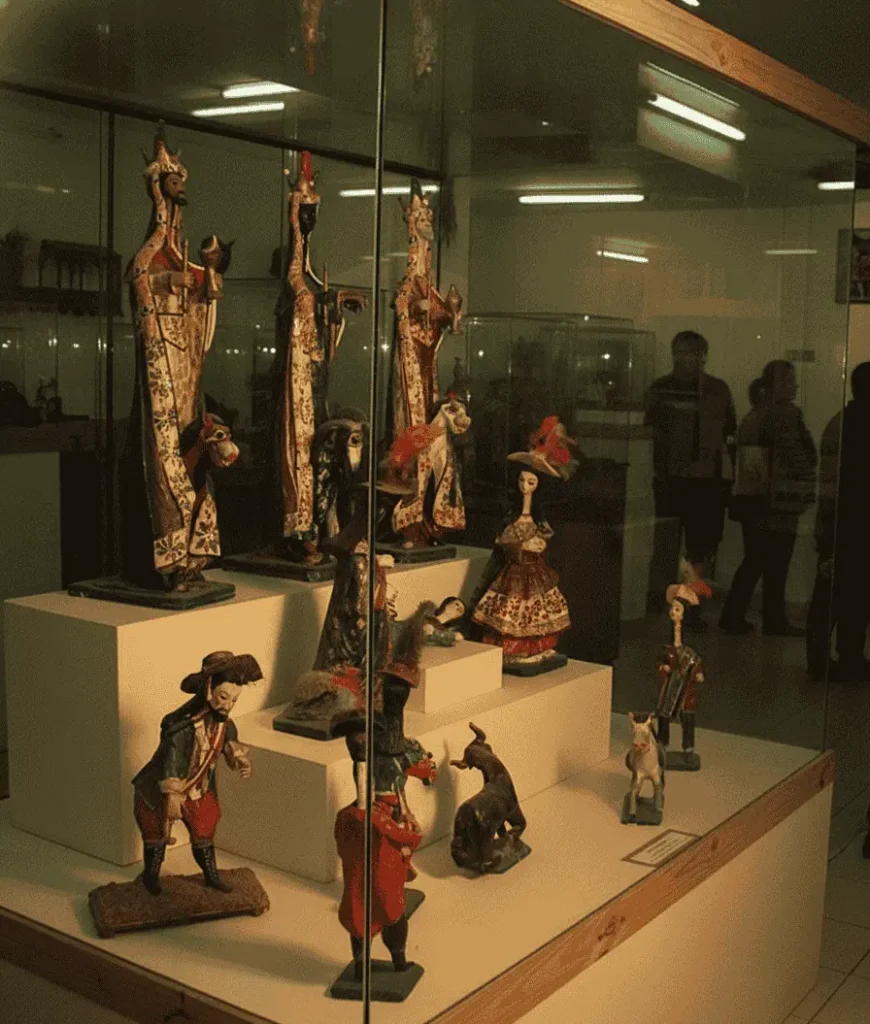
The Living Tradition: While other museums look back, this one looks at the continuity of tradition. It highlights the mastery of the grotesque and the divine.
- Mendívil Imagery: The museum showcases the works of the legendary Hilario Mendívil, known for his religious sculptures featuring elongated necks (inspired by the llamas and alpacas of the region). These pieces are highly coveted by international collectors.
- The Masquerade: The collection of festival masks is vibrant and slightly terrifying, depicting the caricatures of colonial life—the demons, the Spanish merchants, and the slaves—used in local dances. It offers a glimpse into the satirical wit of the Andean people.
5. The Museum of Contemporary Art: The Modern Dialogue
To complete the historical arc, the sophisticated traveler must engage with the present. The Museum of Contemporary Art, located within the Municipal Palace, offers a rare perspective among museums in Cusco, focusing on how modern artists interpret their heritage.
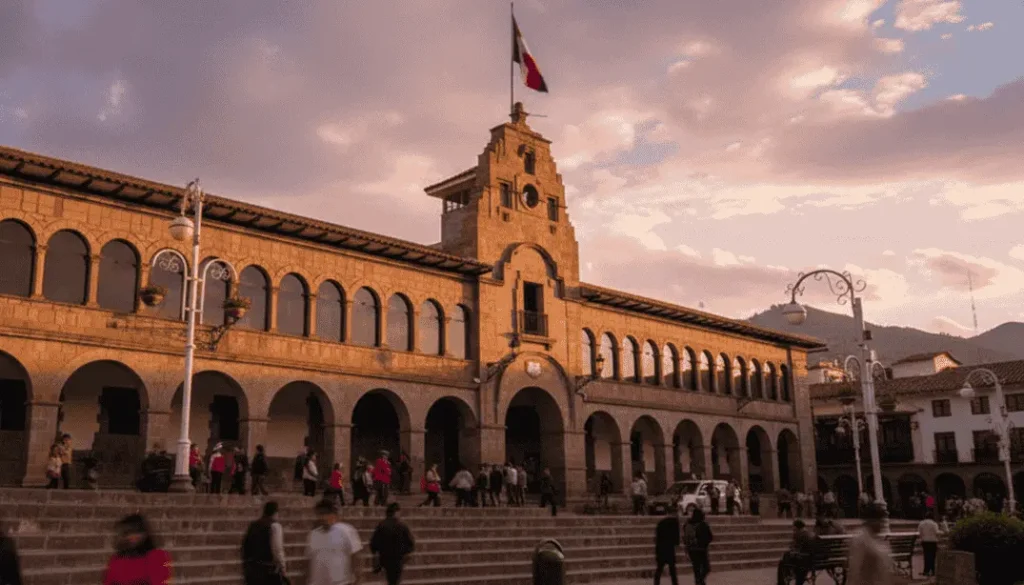
A Break from Antiquity: Surrounded by so much history, it is refreshing to see the modern lens. This museum features over 280 works by local and international artists. It demonstrates that Cusco is not a stagnant relic but a thriving, evolving creative hub. The art here often challenges the romanticized versions of the past, offering abstract and expressionist takes on Andean themes. It is a quiet, contemplative space, ideal for reflection after a day of historical inundation.
The Strategy of Luxury: Planning Your Visit
Navigating the museums in Cusco requires logistical finesse to ensure a seamless, high-end experience. The crowds can be dense, and the hours variable. Here is how the elite traveler approaches the circuit.
The Key to the City: The Boleto Turístico
Your concierge will likely arrange the Boleto Turístico del Cusco (BTC). While often marketed as a budget-saver, for the luxury traveler, it serves as an “All-Access Pass.” It grants entry to the Regional Historical Museum, the Museum of Contemporary Art, the Museum of Popular Art, and the Qoricancha Site Museum (note: the convent entrance is separate). Having this ticket in hand ensures you can glide through entrances without fumbling for currency at each door, streamlining your tour of museums in Cusco.
The Privilege of Privacy
While information plaques are available, they often lack nuance. To truly unlock the secrets of museums in Cusco, a private guide is non-negotiable. However, one should not settle for a standard guide. Request a specialist—an anthropologist or historian—who can provide a graduate-level narrative rather than a rehearsed script. A private expert can weave the threads of the Inca worldview, Spanish politics, and Catholic dogma into a cohesive story, turning a walk through a museum into an intellectual seminar.
Timing and Temperament
The most exclusive luxury is space. To enjoy museums in Cusco without the intrusion of large tour groups, timing is everything.
- The Lunch Lull: Most group tours break for lunch between 1:00 p.m. and 2:00 p.m. This is the “golden hour” for museums. While the masses are dining, you can enjoy the Hall of Mummies or the Casa Garcilaso in near solitude.
- The Sunday Caution: Be advised that schedules can be erratic on Sundays. Your itinerary designer should verify current opening hours to avoid disappointment.
A Bespoke Itinerary: Culture and Comfort
For those wishing to dedicate a full day to the intellect, we propose a fluid itinerary that minimizes fatigue and maximizes engagement with the museums in Cusco.
Morning: The Foundations Begin your day at 09:00 a.m. at the Inca Museum. The morning light in the colonial courtyard is spectacular, and your mind will be fresh to absorb the complexities of the Tahuantinsuyo. Allow ninety minutes here.
- Transition: A short, flat walk to the Plaza Regocijo.
Mid-Morning: The Colonial Clash At 11:00 a.m., enter the Regional Historical Museum (Casa Garcilaso). Here, the narrative shifts from the Inca Empire to the drama of the Conquest.
- Refresh: Cross the plaza to the Museum of Contemporary Art for a thirty-minute visual palate cleanser.
Lunch: The Culinary Interlude Do not rush. Enjoy a leisurely two-hour lunch at one of the Plaza de Armas’ fine dining establishments (such as Cicciolina or Chicha), reflecting on the morning’s intake.
Afternoon: The Living Spirit At 3:00 p.m., proceed down Avenida El Sol. Stop briefly at the Museum of Popular Art to appreciate the whimsy of local craftsmanship—perhaps identifying a style of ceramic you wish to acquire for your home.
The Golden Finale Conclude your day at 4:00 p.m. at the Qoricancha Site Museum. Following this, step into the convent gardens to watch the sunset illuminate the remaining Inca walls. This provides a poetic end to your tour of museums in Cusco.
Architecture as Artifact: The Container and the Content
It is imperative to note that when visiting museums in Cusco, the buildings themselves are often the most valuable exhibits. Cusco is a city of “stone on stone,” where Inca masonry supports colonial stucco. When you enter the Admiral’s Palace or Casa Garcilaso, look up at the lintels, the heraldic shields, and the cedar balconies. These structures have survived massive earthquakes that leveled modern buildings. They are testimonies to the engineering genius of the Inca and the aesthetic ambition of the Spaniard. The atmosphere within the museums in Cusco is heavy with history; the smell of wax, old wood, and stone creates a sensory experience that photographs cannot capture.
Beyond the List: The Sacred Spaces
While the five institutions detailed above form the core curriculum, the luxury traveler understands that art in Cusco is omnipresent. The city’s cathedrals and convents function as living museums in Cusco. The Cathedral Basilica of the Assumption and the Archbishop’s Palace are repositories of gold, silver, and canvas that rival European collections. While they are places of worship, their artistic value is immense and serves as a perfect extension to your museum circuit.
Conclusion: The Intellectual Souvenir
Travel, at its most noble, is an exercise in empathy and understanding. The museums in Cusco offer the traveler a chance to look beyond the exoticism of the Andes and see the humanity of its people—past and present.
By walking the halls of these institutions, you are not merely killing time before the train to Machu Picchu; you are paying homage to a civilization that mastered the mountains. You are witnessing the pain of colonization and the beauty of resilience. When you return home, the memories of the museums in Cusco will provide the context that makes every other memory of Peru—the food, the vistas, the people—richer and more profound. This is the untold side of Imperial history, waiting to be discovered by those willing to look.
BLOG HOME: